
نگاهی به نمایشگاه «گودو هرگز نخواهد آمد» ابراهیم برفرازی به قلم امیرحسین شریفان
این نوشتار، زاویه نگاهی است شخصی و تحلیلی در مواجه با نمایشگاه انفرادی نقاشی های ابراهیم برفرازی که در تابستان 1405 در گالری ایرانشهر، به نمایش گذاشته شده است.
تمام حقوق این نوشته برای امیر حسین شریفان محفوظ است، استفاده با ذکر منبع مجاز است.
ارجاع به این متن :
https://amirhosseinsharifan.ir/blog/art-analysis-criticism/P1069-A-Look-at-Ebrahim-Barfarazi-s-Painting-Exhibition-Sighting-By-Amirhossein-Sharifan.html
واژگان کلیدی: ابراهیم برفرازی، گالری ایرانشهر، نمایشگاه نقاشی، گود هرگز نخواهد آمد، نقاشی معاصر ایران، تحلیل هنری، فلسفه هنر، تجربه حسی، مناسبات انسانی، عاطفه، زیباییشناسی
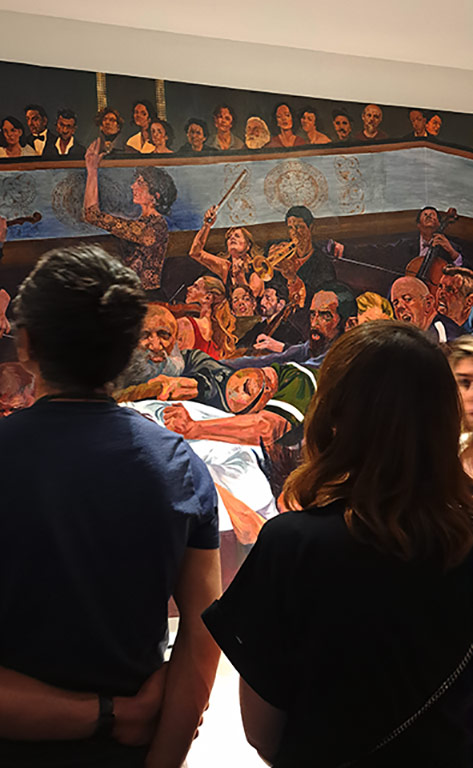
نمایشگاه «گودو هرگز نخواهد آمد» ابراهیم برفرازی را میتوان نقطهای مهم در مسیر حرفهای این هنرمند دانست؛ مجموعهای که نه تنها از حیث مقیاس، پیچیدگی ترکیببندیها و توانایی اجرایی واجد کیفیتی کمنظیر است، بلکه از منظر مفهومی نیز نشانهای از رسیدن هنرمند به مرحلهای از بلوغ است که در آن زبان شخصی او با بیشترین وضوح آشکار میشود.
در نگاه نخست، عنوان نمایشگاه ذهن مخاطب را به جهان ساموئل بکت و مفهوم انتظار ارجاع میدهد؛ انتظاری که هرگز به تحقق نمیرسد. اما به نظر می آید آثار برفرازی بیش از آنکه دربارهی انتظار باشند، دربارهی حضورند؛ حضوری که در دل فقدان شکل میگیرد و از خلال بدنها، نگاهها، اجتماعات و مناسبات انسانی خود را آشکار میکند.
نقاشیهای این مجموعه مملو از انساناند. انسانهایی که میرقصند، مینوازند، تماشا میکنند، گرد هم میآیند و در فضایی میان جشن و اضطراب، سرور و ناامنی، معلق باقی ماندهاند. هنرمند، با مهارتی چشمگیر صحنههایی میآفریند که در عین برخورداری از کیفیتی سینمایی و نمایشی، هرگز به روایت فروکاسته نمیشوند. آنچه در این آثار اهمیت دارد نه داستان، بلکه شدت حضور است.
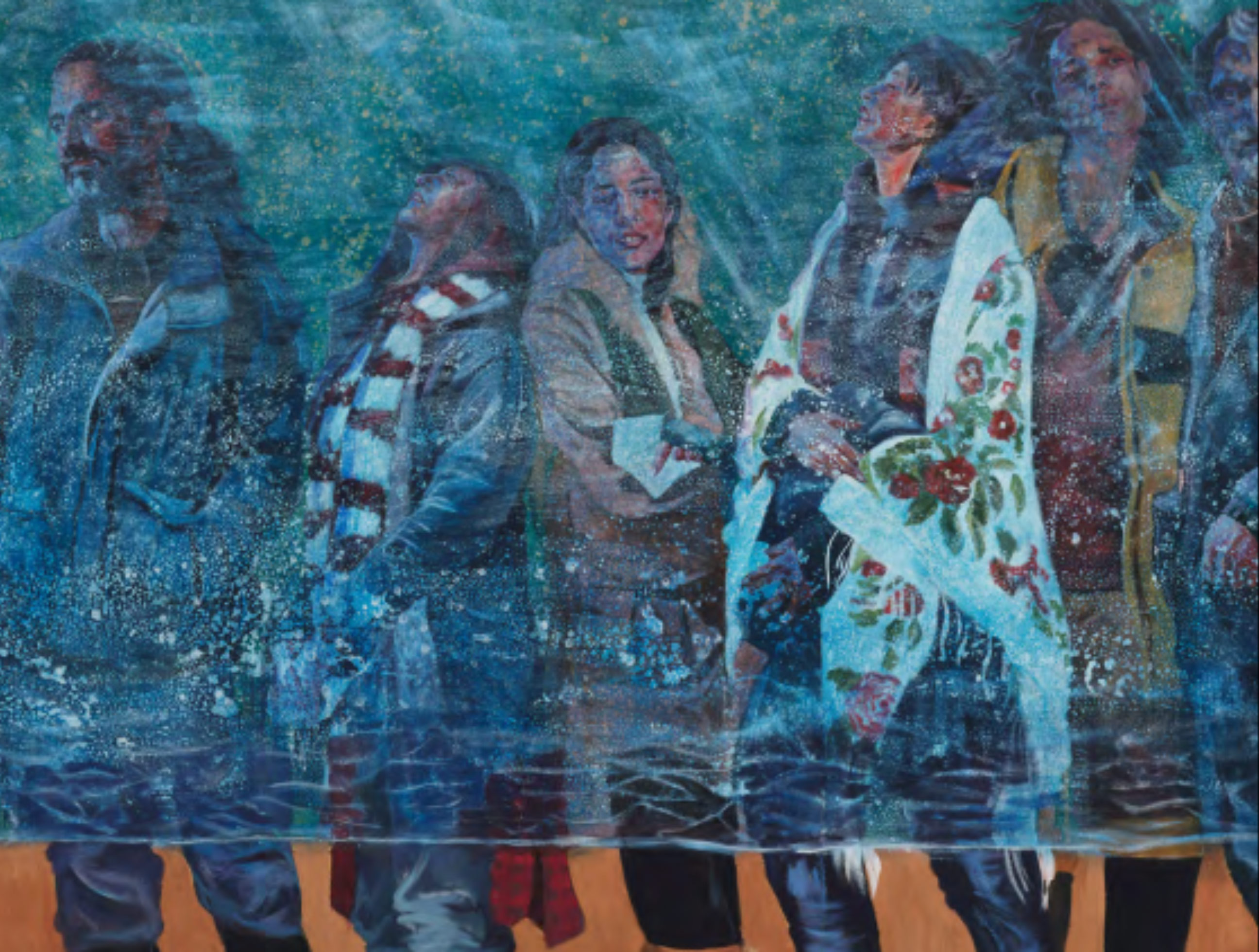
از همین منظر است که مفهوم «عاطفه» یا Affect که در متن نمایشگاه نیز بر آن تأکید شده، به یکی از کلیدهای اصلی فهم این مجموعه بدل میشود. تأثیر آثار نه از مسیر روایت یا نمادپردازی، بلکه از طریق انباشت بدنها، نگاهها، حرکات و تنشهای بصری شکل میگیرد. مخاطب پیش از آنکه چیزی را تفسیر کند، تحت تأثیر قرار میگیرد؛ گویی اثر در سطحی پیشازبانی با او وارد ارتباط میشود.
اما به زعم من شاید مهمترین ویژگی این نمایشگاه در کیفیت رابطهای باشد که میان اثر و تماشاگر شکل میگیرد. هنگامی که مخاطب در فضای گالری حرکت میکند، به تدریج درمییابد که جمعیتهای حاضر در نقاشیها بدون حضور جمعیت( بازدیدکنندکان ) واقعی گالری کامل نمیشوند. افراد حاضر در آثار و افراد حاضر در نمایشگاه در نوعی بازتاب متقابل قرار میگیرند. گویی نقاشیها برای تحقق نهایی خود به حضور بدنهای واقعی در برابرشان نیاز دارند. در این لحظه مرز میان تصویر و واقعیت متزلزل میشود. تماشاگر دیگر صرفاً مشاهدهکننده نیست؛ او به بخشی از سازوکار اثر تبدیل میشود. نگاهش در امتداد نگاههای درون تابلو قرار میگیرد، حضورش در کنار بدنهای نقاشیشده معنا پیدا میکند و حرکتش در فضای نمایشگاه به امتداد حرکتهای منجمدشده در تصویر بدل میشود.
این همان رابطهی دیالکتیکی ظریفی است که آثار برفرازی با مخاطب برقرار میکنند؛ رابطهای که در آن اثر و بیننده به صورت متقابل یکدیگر را تولید میکنند.
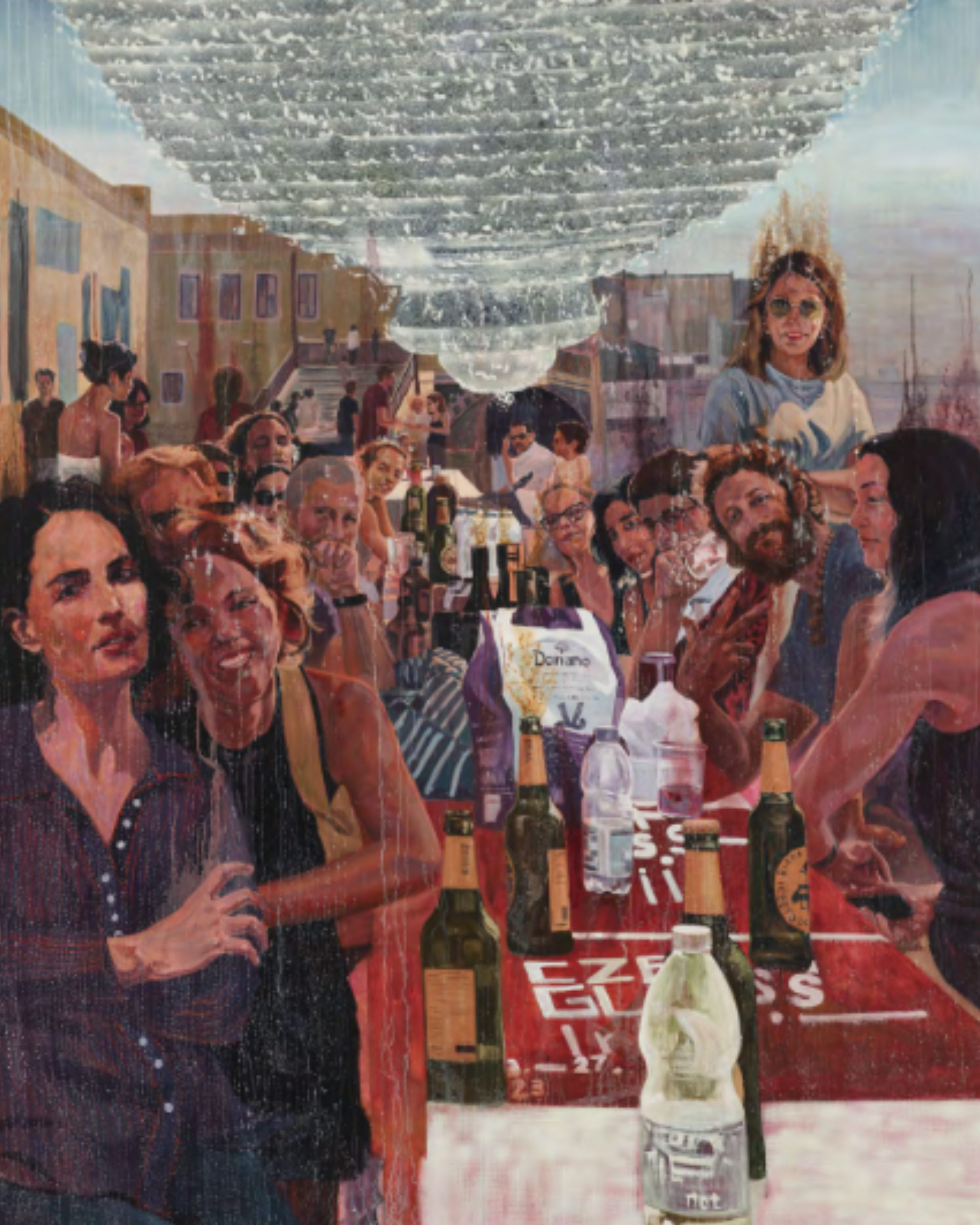
شکوه این نمایشگاه نیز دقیقاً از همین نقطه سرچشمه میگیرد. شکوهی که نه در نمایش مهارت تکنیکی، بلکه در توانایی هنرمند برای خلق جهانی است که از قاب نقاشی فراتر میرود. برفرازی در این مجموعه موفق شده است نقاشی را از یک تصویر منفرد به یک میدان تجربه تبدیل کند؛ میدانی که در آن اثر، فضا و مخاطب در یک فرآیند پیوسته با یکدیگر وارد گفتوگو میشوند.
نکتهی دیگری که به پختگی این مجموعه اشاره دارد، توانایی برفرازی در شخصیتپردازی است. با وجود حضور پرتعداد فیگورها، هیچیک از چهرهها به عنصری صرفاً تزئینی یا بخشی از یک تودهی بینام بدل نمیشوند. هر بدن، هر نگاه و هر ژست واجد کیفیتی منحصربهفرد است؛ گویی هنرمند برای هر یک از آنها زندگی و روایتی مستقل در نظر گرفته است. مخاطب در مواجهه با این آثار مدام میان کلیت صحنه و جزئیات چهرهها در رفتوآمد است؛ از یک سو با شکوه یک اجتماع روبهرو میشود و از سوی دیگر با فردیتهایی که در دل آن اجتماع همچنان حفظ شدهاند. همین تنش میان فرد و جمع است که به آثار برفرازی عمقی انسانی میبخشد و مانع از آن میشود که جمعیت صرفاً به یک عنصر نمایشی یا ترکیببندی بصری تقلیل یابد.
چهرههای او اغلب در وضعیتی میان آشکارگی و ابهام قرار دارند؛ نه آنقدر توصیف میشوند که به پرتره بدل شوند و نه آنقدر محو که به تیپهای اجتماعی فروکاسته شوند. آنها شخصیتهایی هستند که چیزی از خود را پنهان نگه میدارند و دقیقاً از همین رو در ذهن مخاطب ماندگار میشوند. برفرازی از خلال این چهرههاشاید به نوعی، نه تنها یک جمع، بلکه مجموعهای از سرنوشتها، عواطف و وضعیتهای انسانی را به تصویر میکشد.
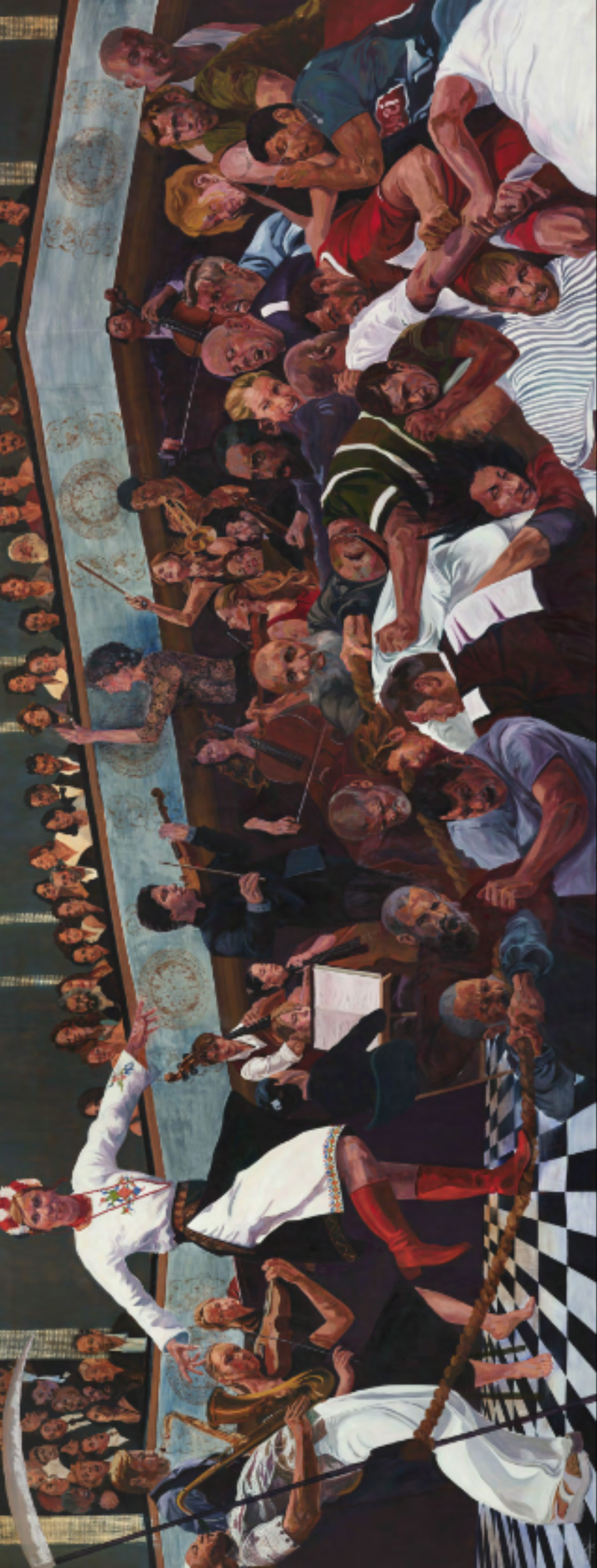
در نهایت از نگاه من شاید مهمترین دستاورد این نمایشگاه آن باشد که به نوعی هنرمند مسئلهی انتظار را به مسئلهی حضور بدل میکند. در جهان نقاشی های ابراهیم برفرازی، گودو هرگز نمیآید، اما زندگی متوقف نمیشود؛ بدنها همچنان میرقصند، نگاهها یکدیگر را جستوجو میکنند و جمعیت، در میان تعلیق و بیقراری، شکلهای تازهای از بودن را میآفریند. این آثار نه راوی یک رخداد، بلکه خودِ رخدادند؛ رخدادِ مواجهه، همحضوری و دیدهشدن. از همین رو، بنا بر تجربه و مشاهده من از حضور در این نمایشگاه، هنگامی که مخاطب از نمایشگاه خارج میشود، احساس نمیکند که مجموعهای از تصاویر را پشت سر گذاشته است؛ گویی از میان جمعیتی عبور کرده که هنوز در حافظهاش به زندگی ادامه میدهند.
A Look at Ebrahim Barfarazi’s Exhibition “Godot Will Never Come” By Amirhossein Sharifan
"This article presents a personal and analytical perspective on Ebrahim Barfarazi’s solo painting exhibition, which was held in the spring of 2026 at Iranshahr Art Gallery, Tehran, Iran"
Ibrahim Barfarazi’s exhibition “Godot Will Never Come” can be regarded as a significant milestone in the artist’s professional trajectory. This body of work is remarkable not only for its scale, the complexity of its compositions, and its exceptional technical execution, but also for what it reveals conceptually: an artistic maturity in which Barfarazi’s personal visual language emerges with unprecedented clarity
At first glance, the exhibition’s title inevitably evokes the world of Samuel Beckett and the notion of waiting an anticipation that is never fulfilled. Yet Barfarazi’s works seem less concerned with waiting than with presence: a presence that takes shape within absence and manifests itself through bodies, gazes, gatherings, and human relationships
The paintings in this series are populated by people people who dance, perform music, observe, gather together, and remain suspended in a space between celebration and anxiety, joy and insecurity. With remarkable skill, the artist constructs scenes that possess a distinctly cinematic and theatrical quality while never collapsing into mere narrative. What matters in these works is not the story being told but the intensity of presence itself
It is from this perspective that the concept of affect a notion emphasized in the exhibition text becomes one of the primary keys to understanding the series. The impact of these paintings is generated not through narrative or symbolism but through the accumulation of bodies, gazes, movements, and visual tensions. The viewer is affected before interpretation begins; the work appears to establish a connection on a pre-linguistic level
Perhaps the exhibition’s most significant achievement lies in the relational dynamic it establishes between the artwork and the viewer. As visitors move through the gallery space, they gradually realize that the crowds depicted within the paintings remain incomplete without the presence of the gallery’s actual audience. The figures represented in the works and the people inhabiting the exhibition space enter into a form of reciprocal reflection. It is as though the paintings require the presence of real bodies before them in order to achieve their full realization
At this point, the boundary between image and reality becomes unstable. The viewer is no longer merely an observer but becomes part of the artwork’s operative structure. Their gaze extends the gazes within the paintings; their presence acquires meaning alongside the painted bodies; their movement through the exhibition space becomes an extension of the frozen movements depicted on canvas
This is the subtle dialectical relationship that Barfarazi’s works establish with their audience a relationship in which artwork and viewer mutually produce one another. The grandeur of the exhibition emerges precisely from this point. Its power lies not simply in the display of technical mastery but in the artist’s ability to create a world that exceeds the confines of the pictorial frame
In this series, Barfarazi succeeds in transforming painting from an isolated image into a field of experience a field in which artwork, space, and audience enter into a continuous dialogue. Another indication of the maturity of this body of work is the artist’s remarkable capacity for characterization. Despite the abundance of figures, none of the faces function merely as decorative elements or anonymous components of a crowd. Each body, gaze, and gesture possesses a unique quality, as though the artist has imagined for each an independent life and narrative
Confronted with these paintings, viewers constantly move between the totality of the scene and the specificity of individual faces. On one hand, they encounter the magnificence of a collective gathering; on the other, they discover individual subjectivities that persist within that collective. It is precisely this tension between the individual and the crowd that grants Barfarazi’s work its human depth and prevents the multitude from being reduced to a purely theatrical or compositional device
His figures often exist in a state between revelation and ambiguity: they are neither described in such detail that they become portraits, nor rendered so indistinctly that they dissolve into social types. They remain characters who conceal something of themselves, and it is precisely this withholding that makes them linger in the viewer’s memory. Through these faces, Barfarazi appears to depict not merely a crowd but a constellation of destinies, emotions, and human conditions
Ultimately, the exhibition’s most important achievement may be its transformation of the question of waiting into the question of presence. In the world of Ibrahim Barfarazi’s paintings, Godot never arrives, yet life does not come to a halt. Bodies continue to dance, gazes continue to seek one another, and the crowd, amid suspension and restlessness, invents new forms of being
These works do not narrate an event; they are themselves the event an event of encounter, co-presence, and visibility. For this reason, based on my experience of visiting the exhibition, one leaves not with the feeling of having viewed a series of images, but rather with the sensation of having passed through a crowd that continues to live on in memory